The Farm I Imagined and the System I Found
How FACT Is Working to Build a More Humane and Healthy Food System
By: Amy Miller, Communications Manager at FACT
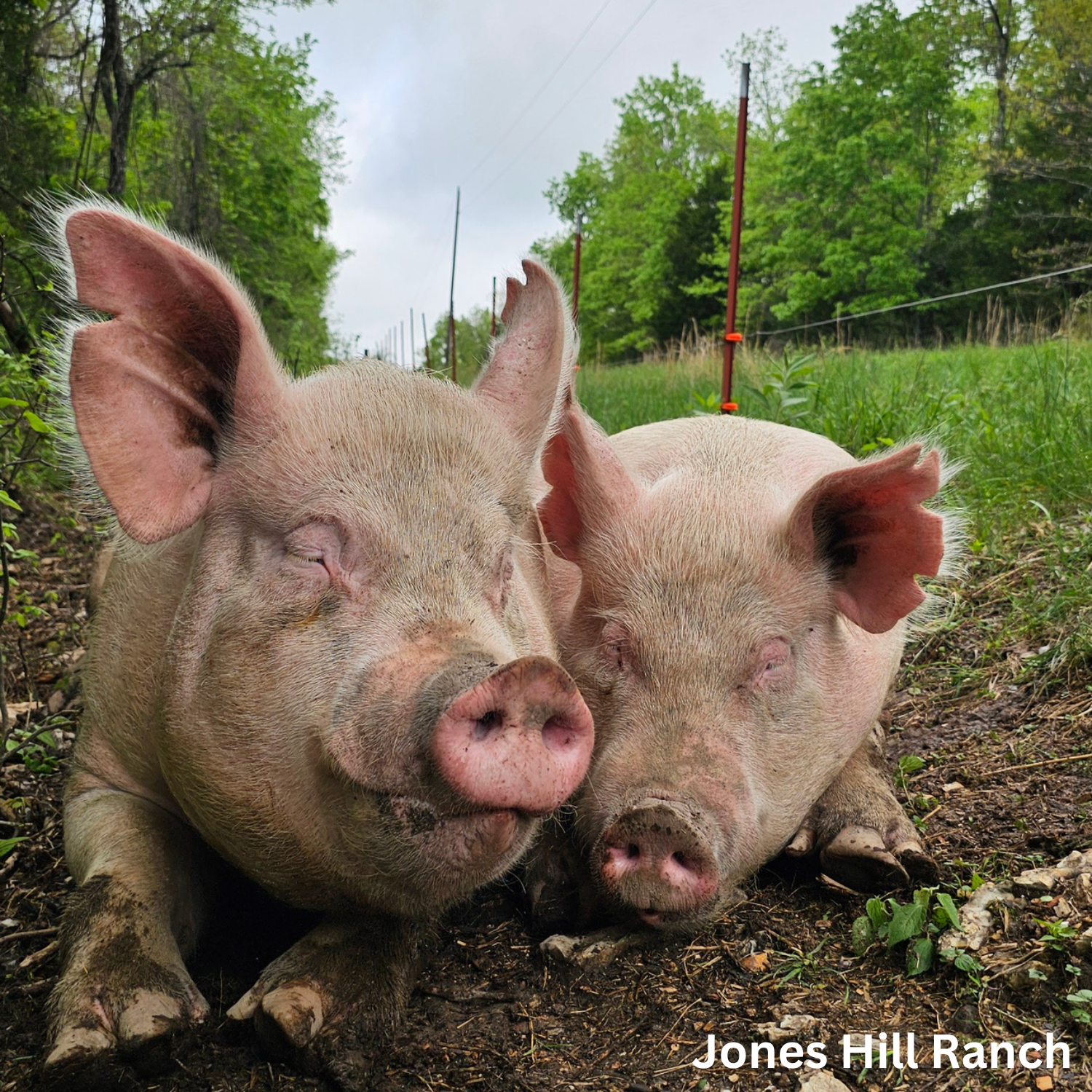
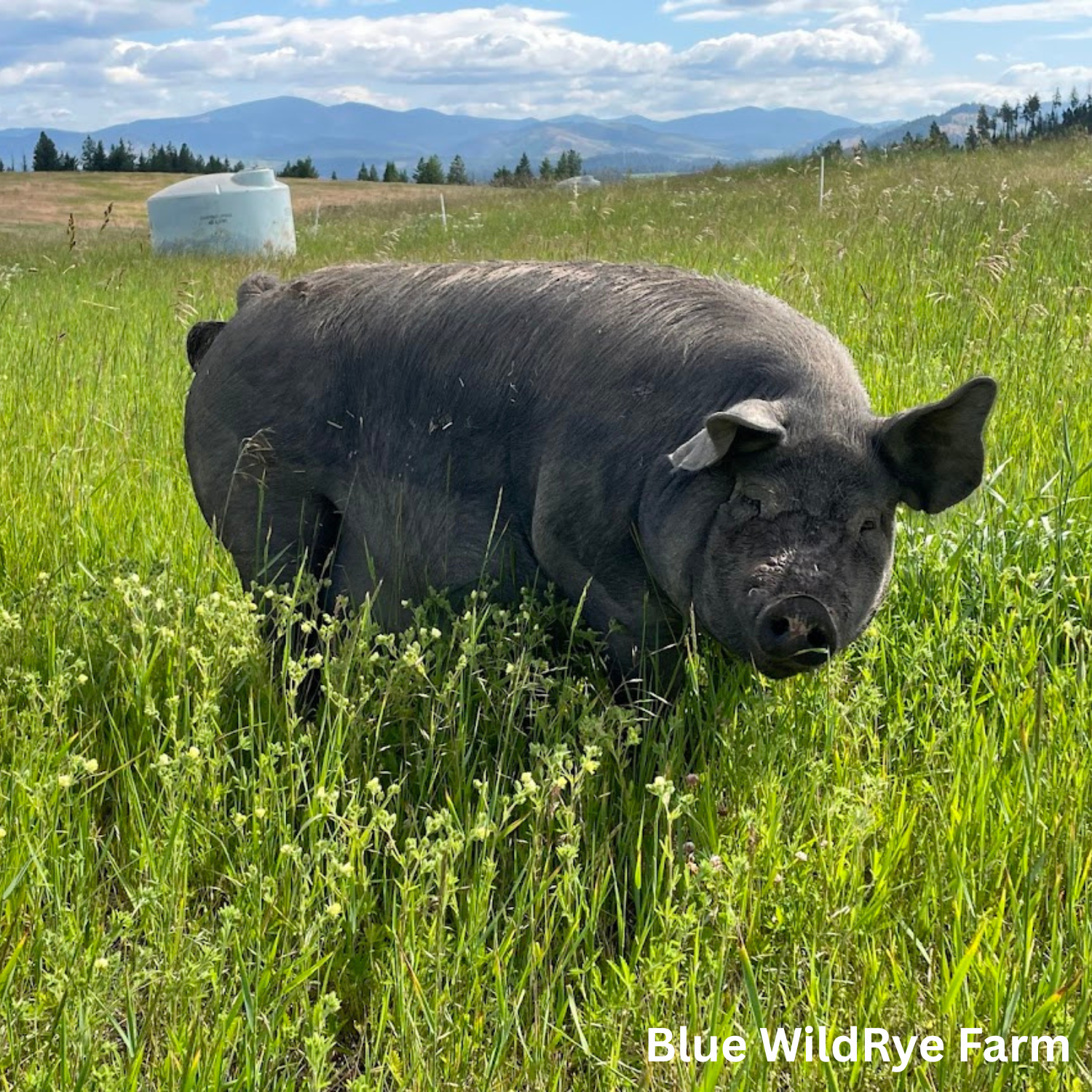
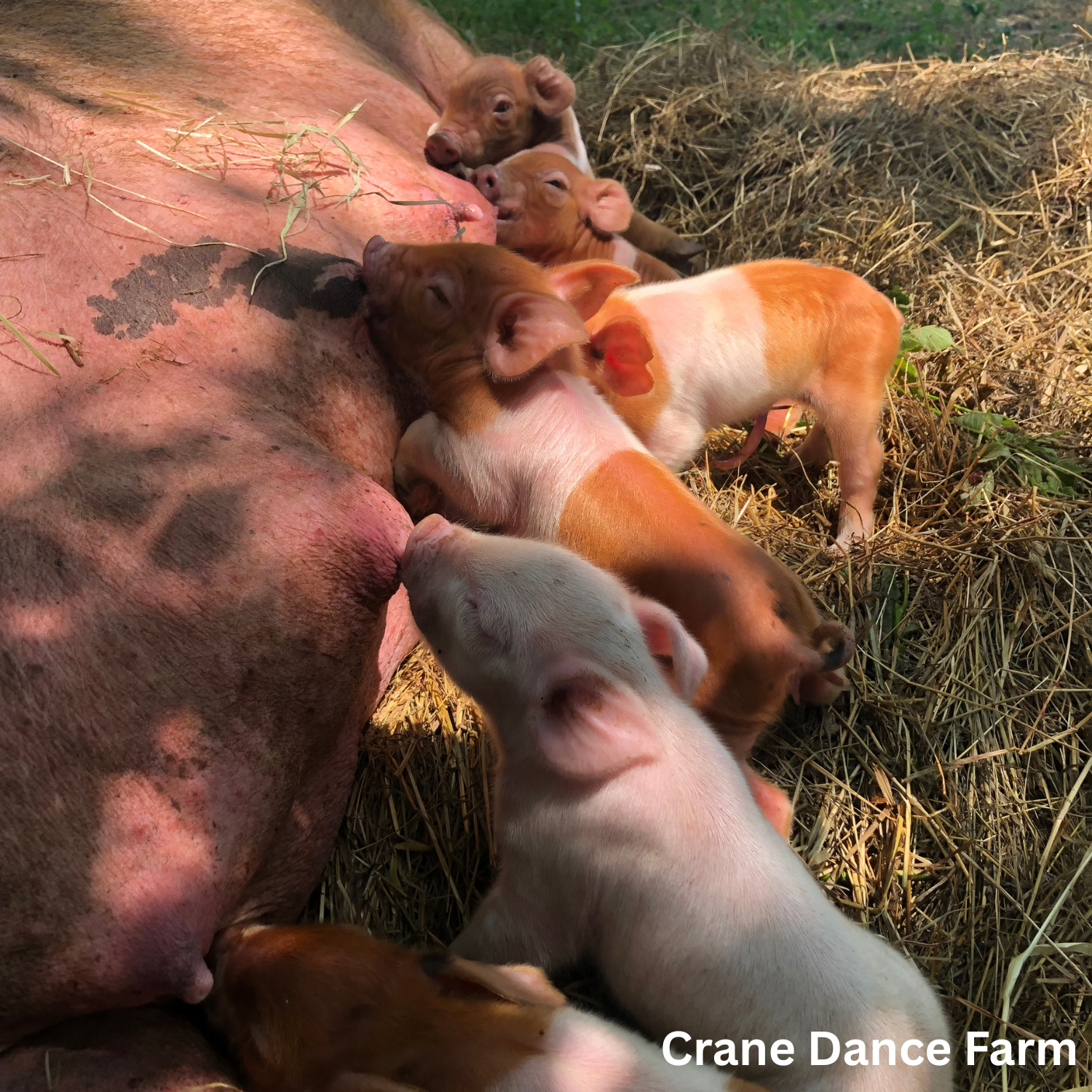
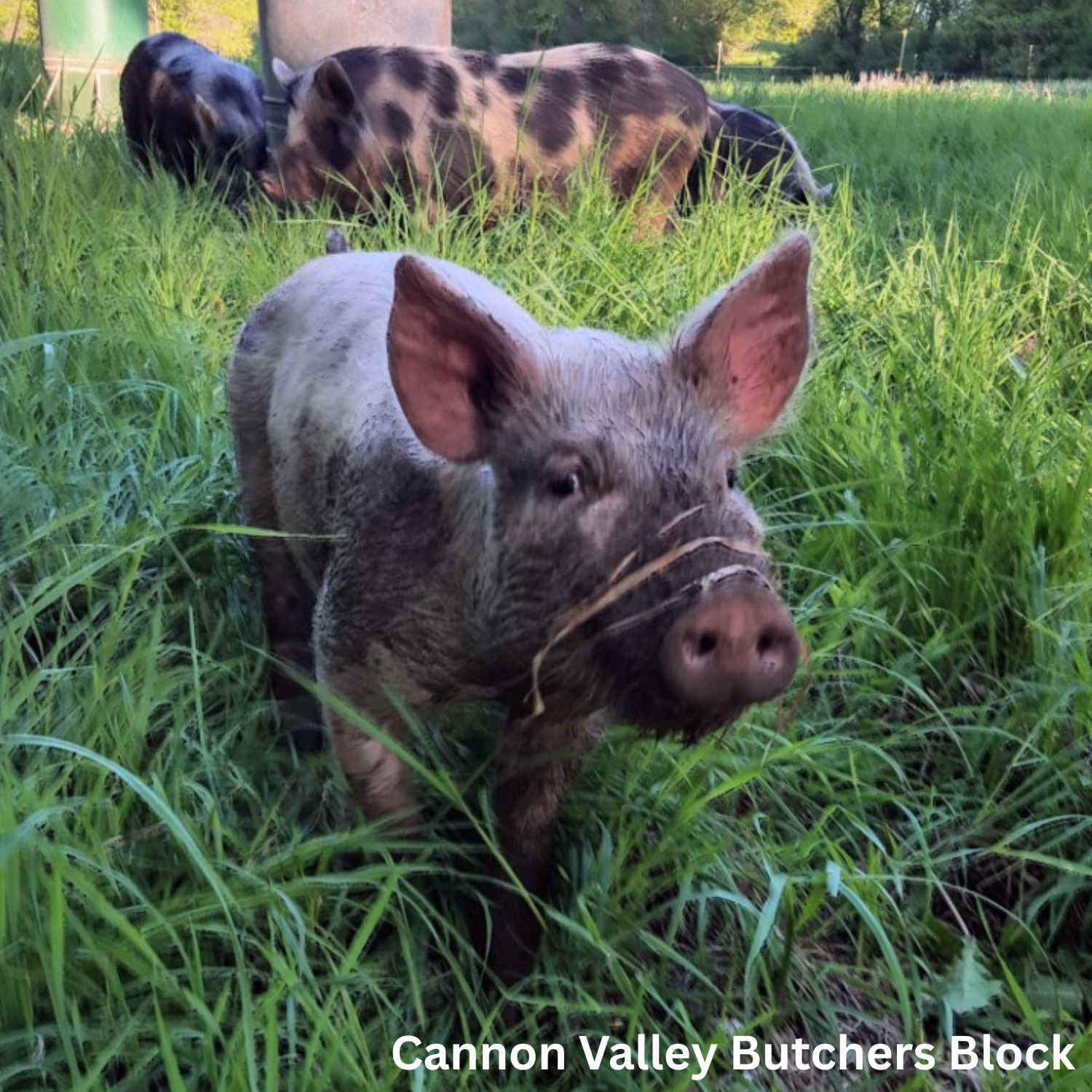
Start here: Imagine an American animal farm. What picture does your mind create? Perhaps it’s something like this- jersey cows sauntering from barn to pasture, handfuls of scratch being thrown from an apron to a flock of multi-colored chickens, pigs snorting their way through puddles of muddy grass, cosmos and clover sprouting at the corners of the pasture.
This is the image I had in my mind, driving across America for the first time as a 21-year-old kid, fresh out of college. On the trip, I stopped to visit my aunt, who had raised five kids and hundreds of pigs on her Minnesota farm that gave light to the phrase, the middle of nowhere.
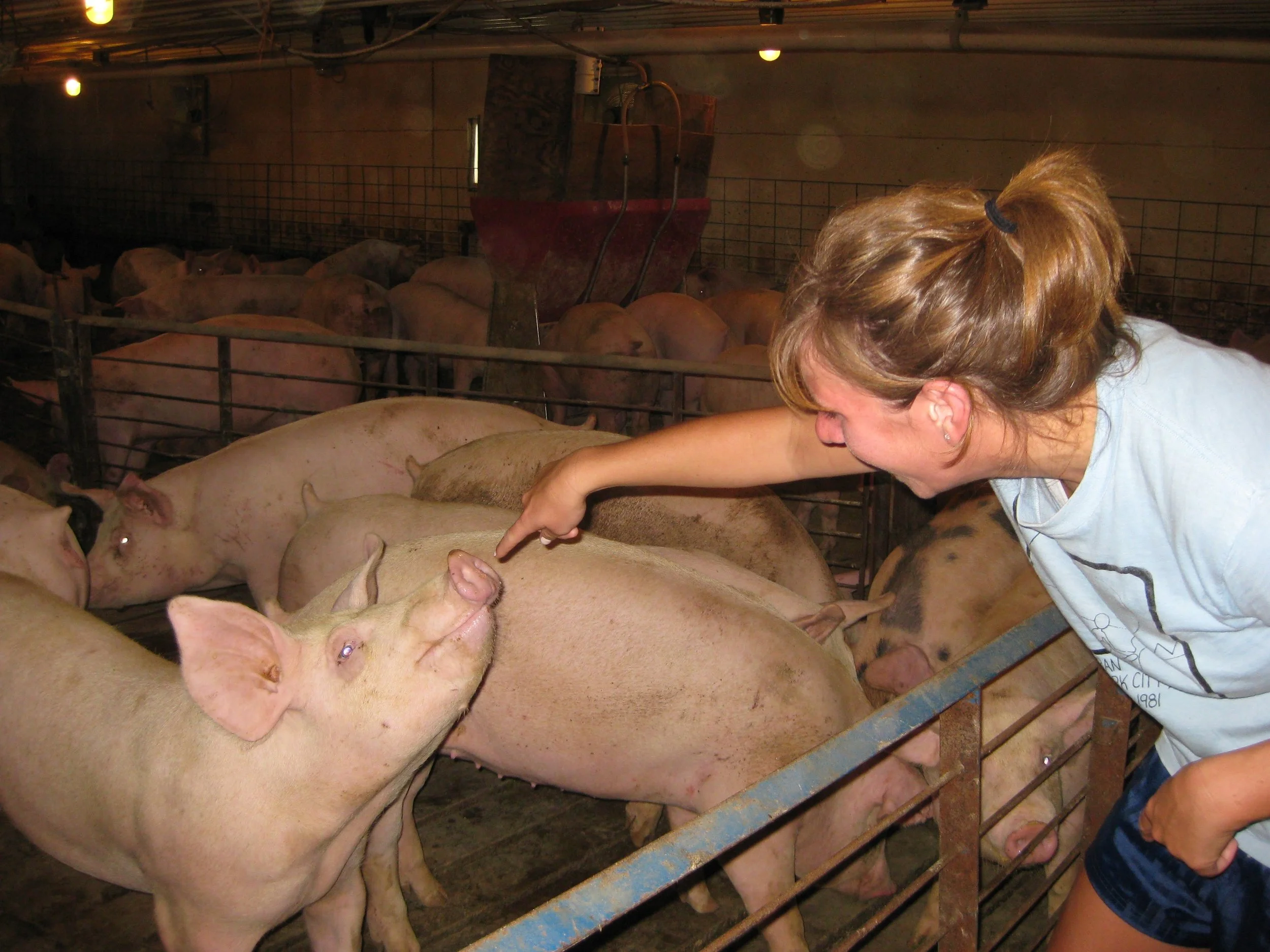
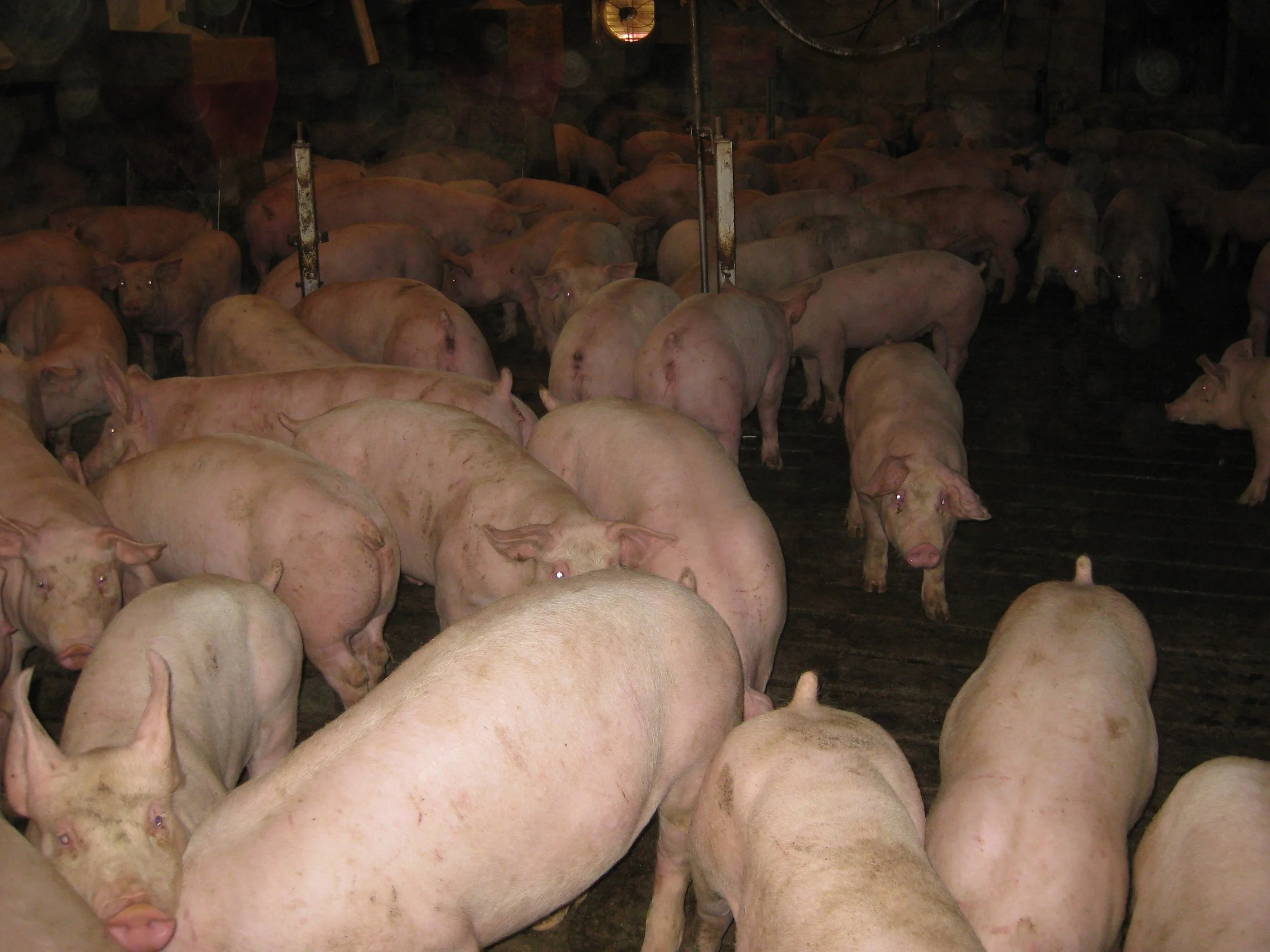
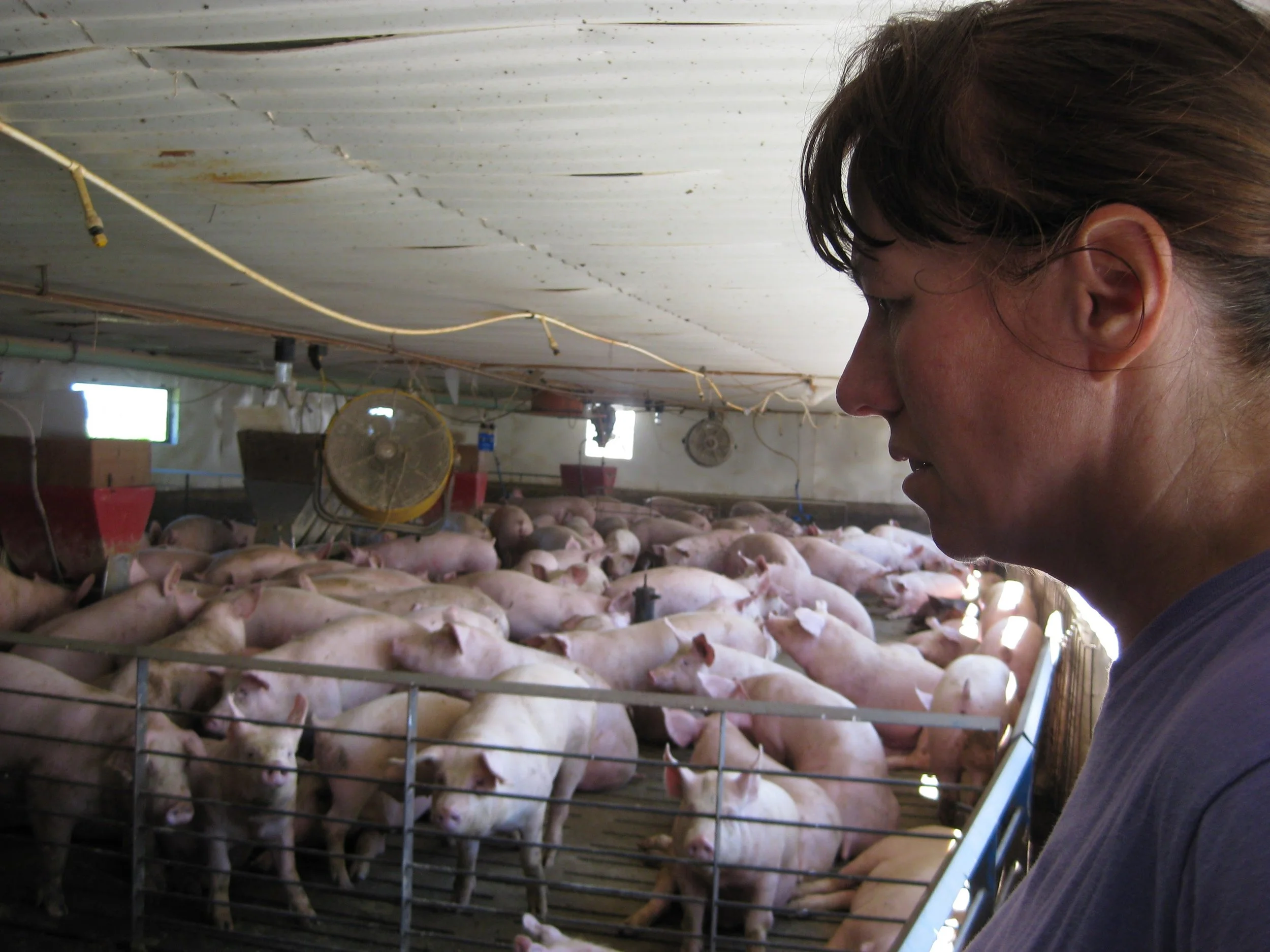
She was (and is) a fierce woman who had been farming since she extracted herself from California at eighteen, falling in love with a farm boy, a rural life, and raising hogs on pasture. I, too, grew up as a city girl with romantic notions of farming (note: see dreamy imaginings above). So when I asked to see the pigs, my heart fell when I was directed to an enormous, dark building where the rows of confined pigs went on as far as my eyes could see into the darkness.
The modern reality is that most animal farms in the US are like this - huge sheds that house animals in insanely cramped quarters, never once seeing daylight, being fed antibiotics and medication to avoid the illnesses that are inevitable from this way of living. I remember walking out of that pig house, sick to my stomach from the life these animals were forced to endure, sickened by the unhealthy food I had been putting into my body all these years, and frustrated with my aunt for farming this way.
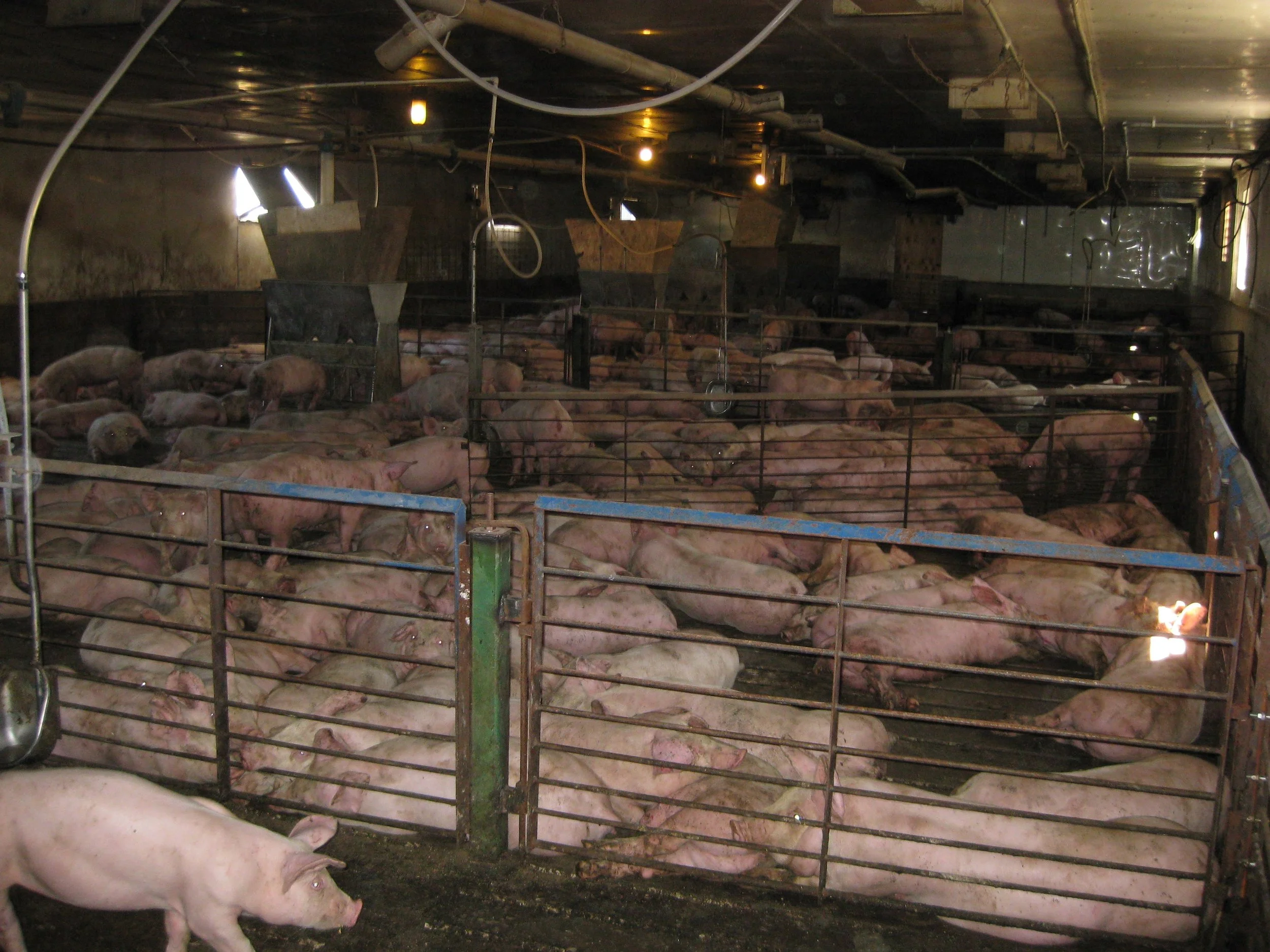
She countered, they didn’t like it either, but what choice was there? If this was the way everyone was going to farm, pasture-raised pork couldn’t compete. So her family, her neighbors, their community, and the communities that stretch from coast to coast began selling their farms to large corporate buyouts or transforming the way they farmed to keep up with the demand for the cheapest meat possible, at any cost.
What I didn’t understand then - and what many people still don’t - is that this wasn’t just one farmer’s decision. It was the result of a system.
Over the past several decades, U.S. agriculture has shifted toward industrial-scale production, where efficiency and volume are prioritized above almost everything else. Farmers were told this was the future and imperative for their survival.
Slowly, the version of farming most of us picture became the exception rather than the norm. The disconnect lies in the fact that most Americans don’t actually want their food produced this way, but few of us understand the complexities of our food system and how to support a better way. And there is a better way! That’s where FACT comes in.
At its core, FACT’s mission is simple: To ensure that all food-producing animals are raised in a humane and healthy manner. For real change to happen, we need to change policies, farming practices, and consumer awareness. But how the heck do you move mountains that big?
It starts with farmers - the people making daily decisions about how animals are raised. FACT supports pasture-based farmers through its humane farming program by:
Fund-a-Farmer grants that pay for things like fencing, mobile shelters, and grazing systems that make pasture-based farming successful
Providing educational stipends so farmers can seek continuing education
One-on-one mentorship from experienced farmers to usher in the new generation of pasture-based farmers
Practical education and resources to help farmers transition away from industrial models
For many farmers, the barrier isn’t desire; it’s risk, cost, and a system that doesn’t reward doing things differently. But the market is shifting, and this way of farming absolutely can be profitable with the right resources and tools.
And yet, supporting individual farmers isn’t enough if the system they operate in still pushes them in the opposite direction. That’s why FACT also works at the policy level by advocating for changes that make our food system safer, more transparent, and more humane.
This includes work to:
Curb the routine use of antibiotics in animal agriculture
Strengthen food safety protections
Hold corporations accountable for misleading claims through PR and lawsuits.
Advise leaders in the FDA
Make it easier for constituents to send letters to Congress about important legislation that affects how everyday farmers operate.
And then there are the people actually eating the food, the consumer. For most Americans, the realities of our food system are out of sight and often out of mind. When consumers are educated, they’re better equipped to speak up and push for change at the grocery store and on Capitol Hill. FACT works to cut through the noise and help consumers understand:
What labels actually mean
How animals are really raised
How everyday choices connect back to farmers and the larger system
FACT is not alone in criticizing the dominance of factory farming, but what makes us unique is that we are amplifying an alternative. The work we do makes it possible for an alternative to even exist and for that movement to grow legs. Twenty years ago, my aunt may have felt or been told that there was no fighting the push toward industrialization. Today, she is in her late eighties, and her grandson runs the farm, fully pasture-based and thriving.
The version of farming I imagined as a kid, the one with open pastures and animals lazing in the sun, never fully disappeared; it just got harder to find. Corporations and wealthy policy guys will never make room for it; it has to be us - grassroots organizations, farmers, advocates, and everyday people pushing for something better. We’re glad you’re here.