A Giving Tuesday reflection on what I learned in my grandparents’ kitchen.
By: Sierra Crook
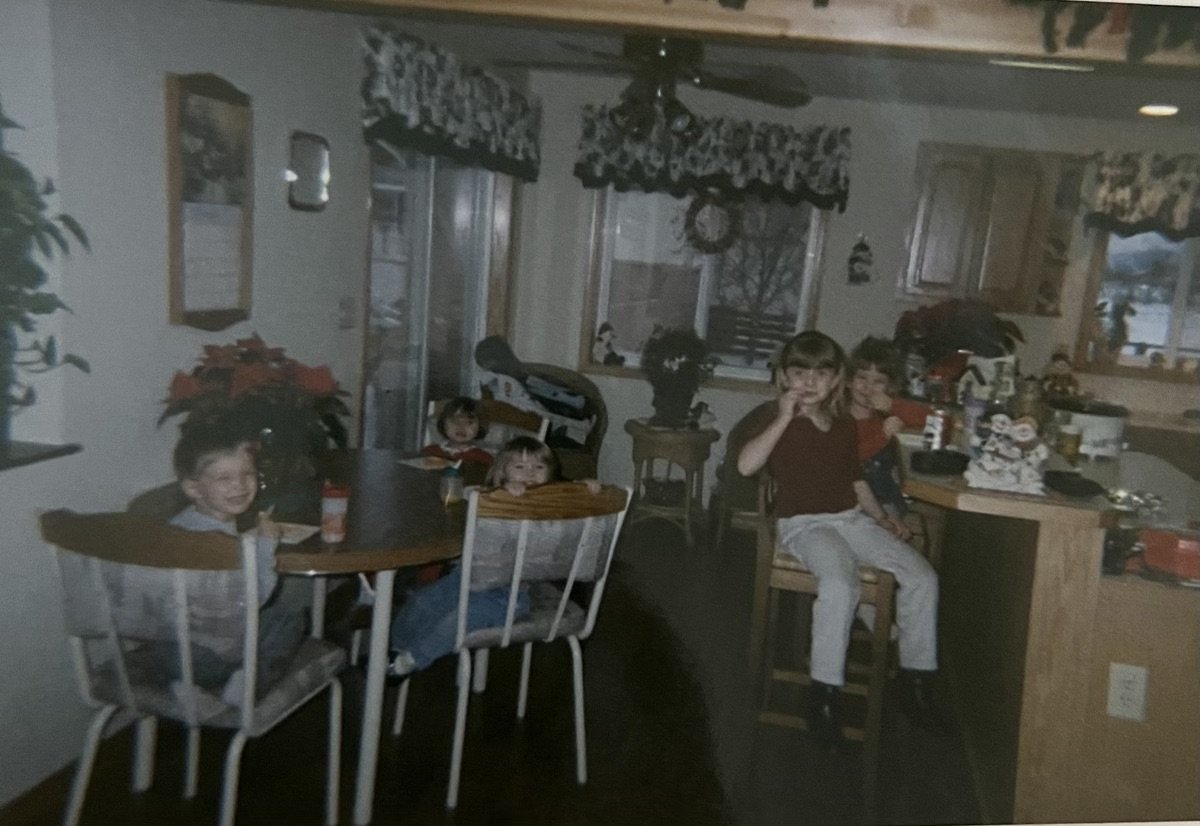
One of the easiest memories for me to tap into is still the smell of my grandparents’ house. Banana cake with cream cheese frosting at family celebrations. Ribs and potatoes in the summer, eaten in our bathing suits by the pool. Pancakes and breakfast sausage the morning after a sleepover. My grandparents, Annie and Mike, ran a kitchen with a revolving door: aunts and uncles, old coworkers, neighbors, my cousins’ college roommate, my sisters’ best friend. Once or twice, strangers. Everyone got fed, even when it meant my grandma had to learn what vegan was for the college roommate.
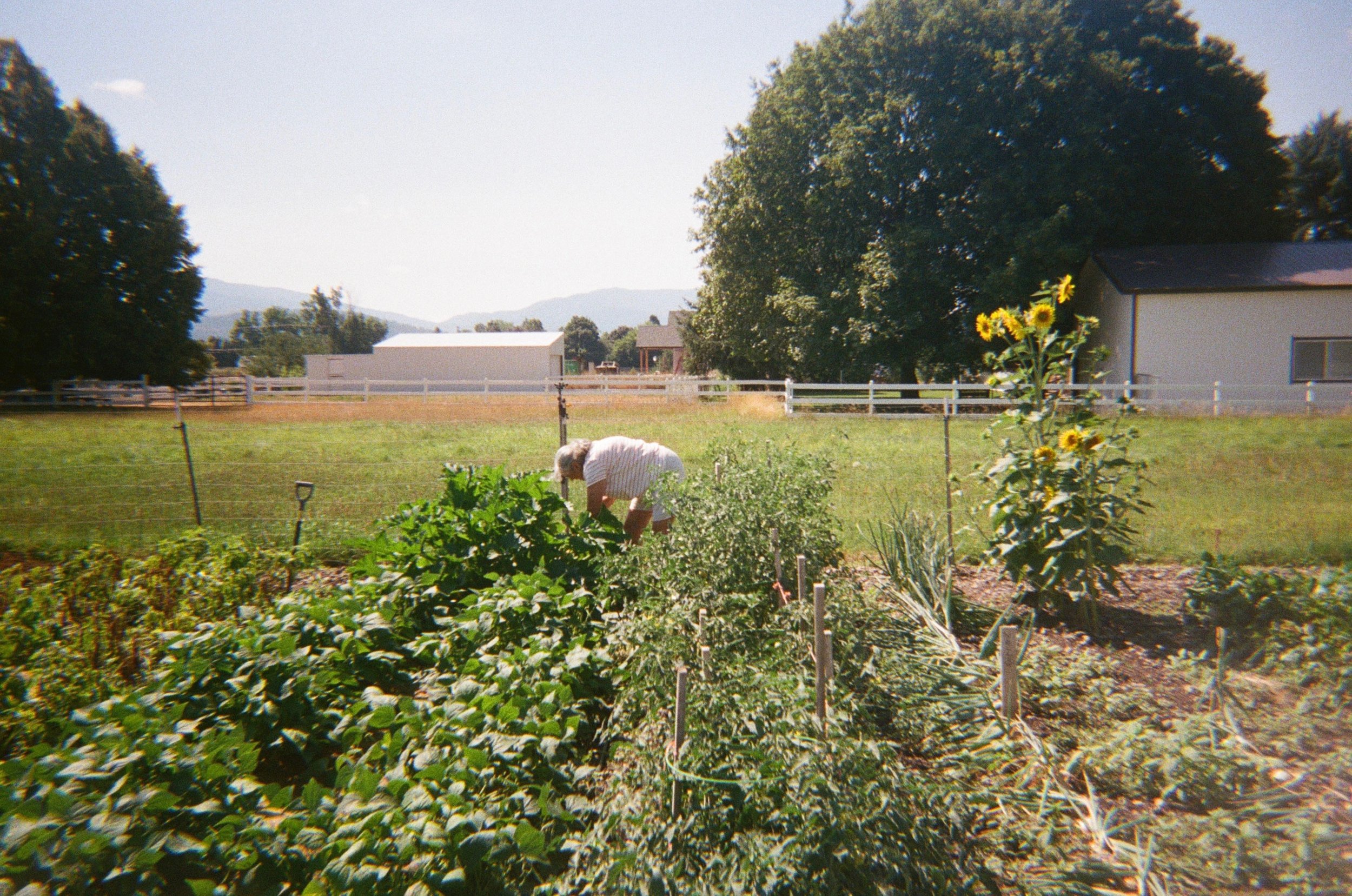
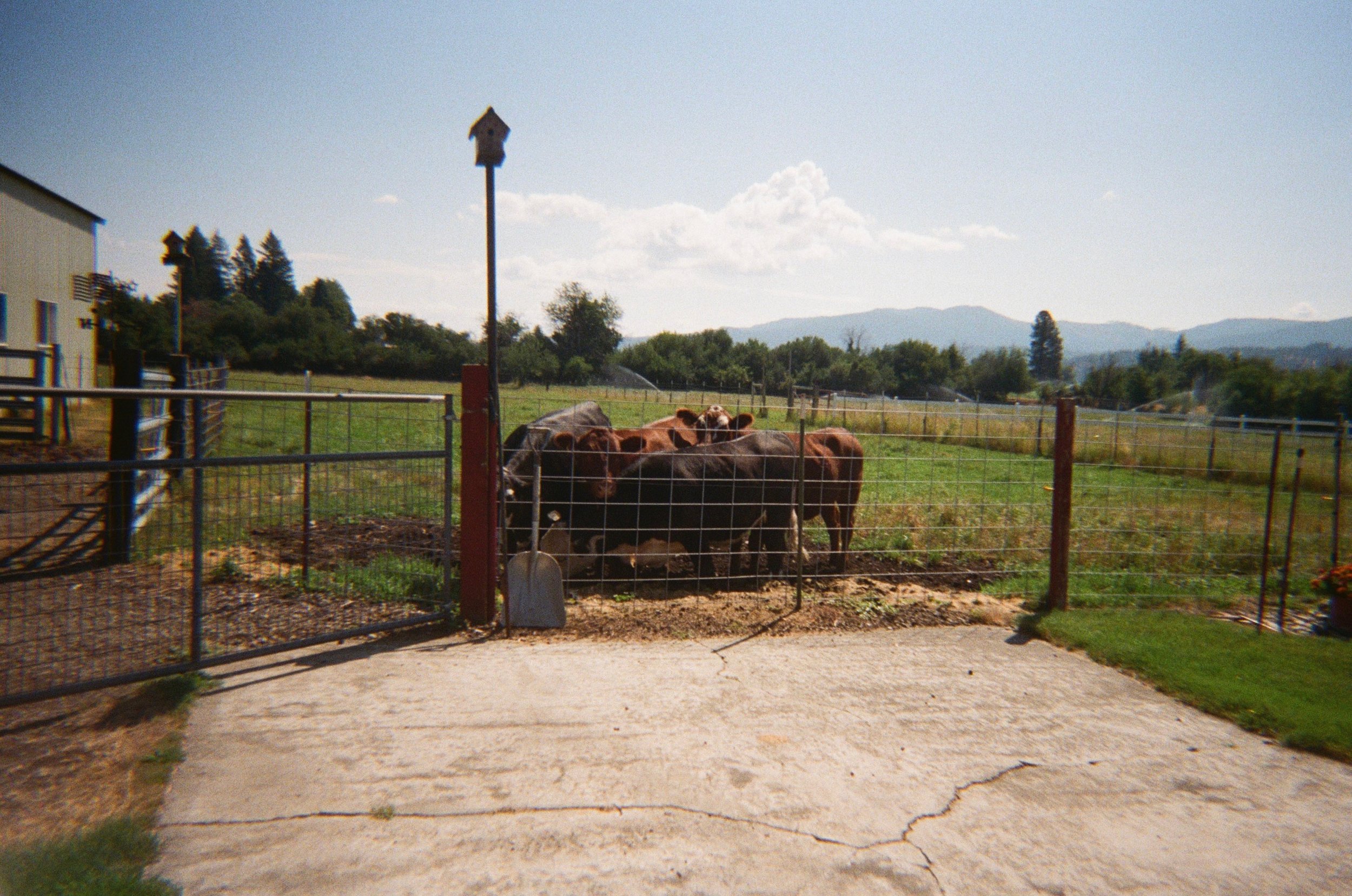
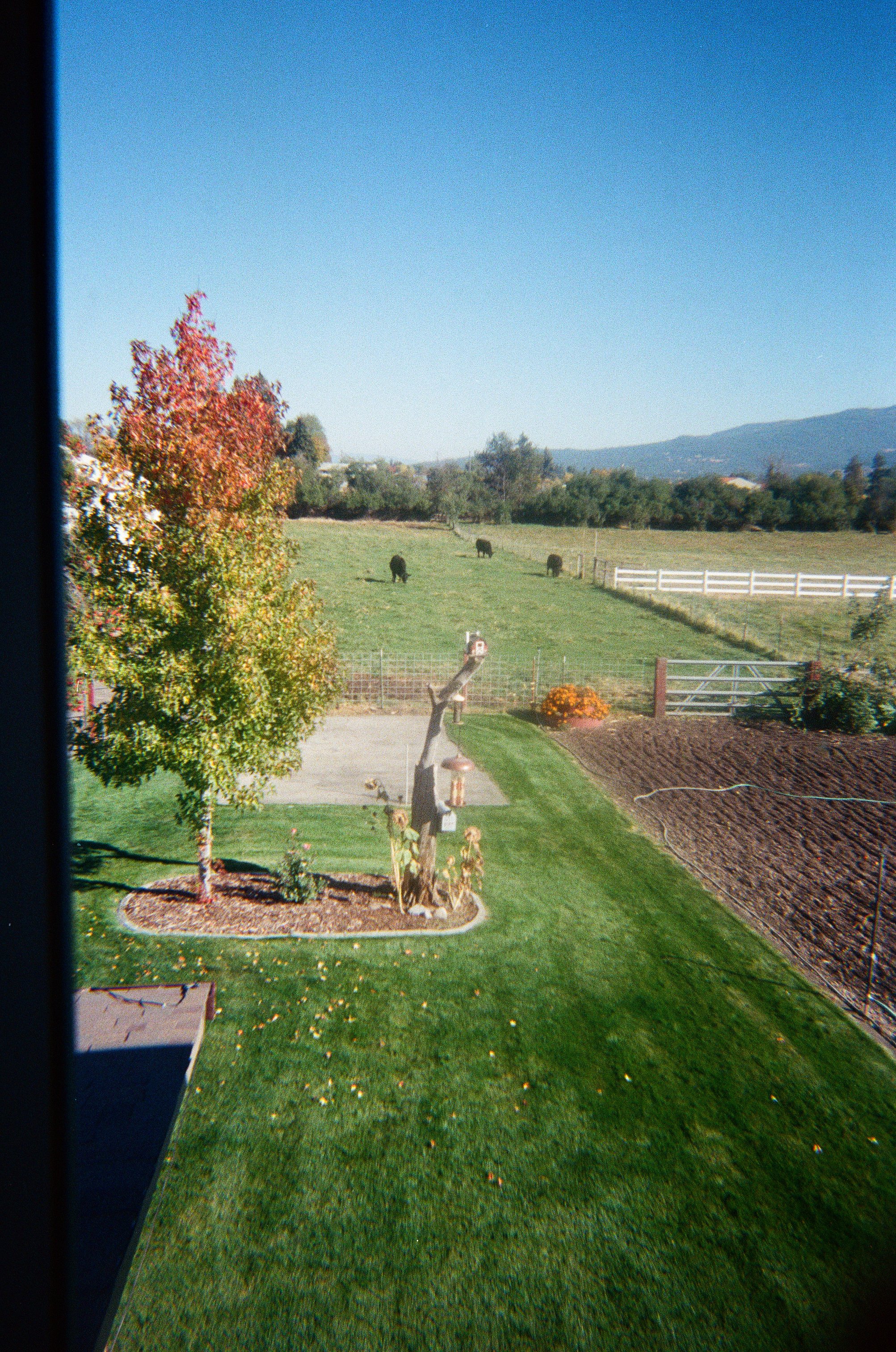
Much of what was on the table came from a lot of effort. They raised their own cows for beef and worked a garden all year long. But I don’t remember thinking about any of that as a kid. What I remember is that nobody who walked in was ever asked why they’d come; they were just handed a plate.
By now I’ve run up an open tab at their table that I could never pay off. And luckily, no one is keeping track. They feed me, and so many others, with no expectation of anything but company in return. I can’t pay them back, but I can set a place for someone else.
Before I came to FACT, I worked in food security. I saw how many people were trying to put enough food on their own tables. And when I look at the news now, I understand why a day asking people to give can feel out of step with how stretched and tired so many of us already are.
But when I think about what I’ve been given at that table, I think about the plate and the feeling that there was always room for me. That’s what I come back to on Giving Tuesday, a day of giving that was created in 2012 at the 92nd Street Y in New York. It was started by Henry Timms and Asha Curran, as a counterweight to Black Friday and Cyber Monday, days devoted to consumption, when nothing comparable existed for generosity. In its creation, they meant generosity broadly, including time, acts of kindness, and working together for the common good, not just money.
This year, Giving Tuesday has me thinking about who made room for me, and who I can make room for now.
My grandparents have fed people their whole lives without knowing what any of it would mean to anyone, and yet here I am, thinking about generosity because of their kitchen. When giving feels small, I try to remember that. I think most generosity is like this: we rarely get to see what it becomes. I believe that’s not a reason to hold back, but a reason to give anyway. A quote often attributed to Canadian farmer Nelson Henderson puts it better than I can: “The true meaning of life is to plant trees under whose shade you do not expect to sit.” But with all respect to Nelson, maybe Grandma Annie says it even more simply with her favorite adage: “It’s just what we do, we help.”
So what might generosity look like this Giving Tuesday? I don’t think it has to be big. Maybe it’s a meal for a neighbor, a call to someone you’ve been meaning to thank, or an hour of babysitting for a friend. And maybe it’s also letting someone give to you. Sitting at my grandparents’ table, I’ve come to think receiving is part of the practice too, and that some people give best when someone lets them.
FACT exists because people keep planting seeds for a food system they hope to see. A farmer gets support to improve their pasture. A shopper learns what to ask for at the market. None of it fixes everything, but it grows because people keep showing up. If a gift to FACT is one of the ways you choose to give this Giving Tuesday, I’d love for you to plant a seed with us. Our Board will match every gift, so whatever you give does a little more. A food system worth handing to tomorrow is built the way my grandparents’ table was: a little at a time, by people who decided to help.
Wherever you are next Tuesday, I hope there’s a plate set out for you, and someone you get to set one for.