Profitable Pastured Poultry Production
September 1, 2026
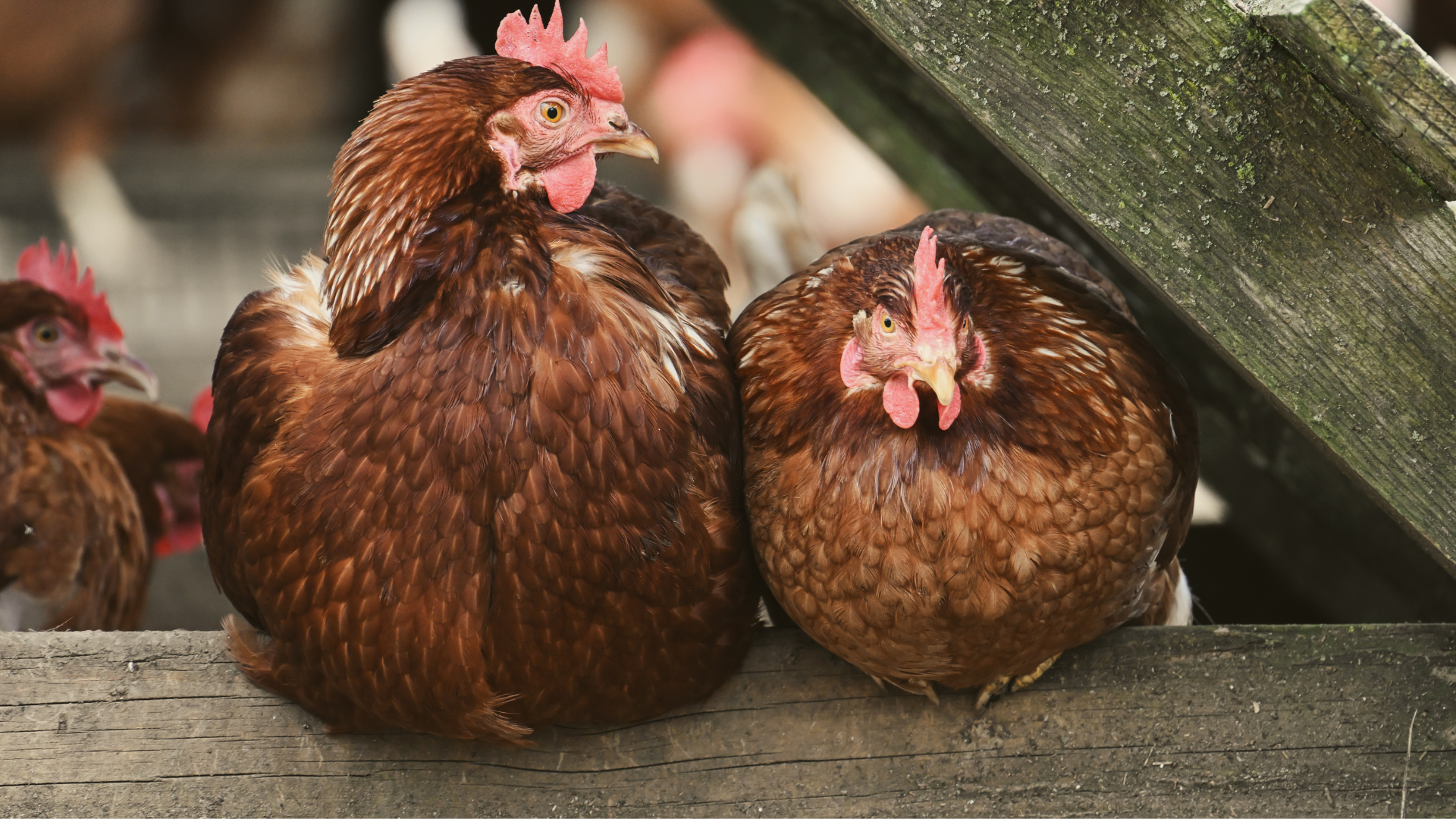
Do you know how to set your prices for your pastured poultry products to make sure you pay yourself and make a profit? If you are just guessing, or setting your prices based on what others charge, there is a good chance that you are losing money with every sale. In this session, you will learn how to use two new tools, one for eggs and the other for broilers, that will allow you to input your actual costs, and which will then calculate the price you need to charge - no guessing required!
Avoiding medicated starter feed for your poultry and livestock: Why and How
April 7, 2026
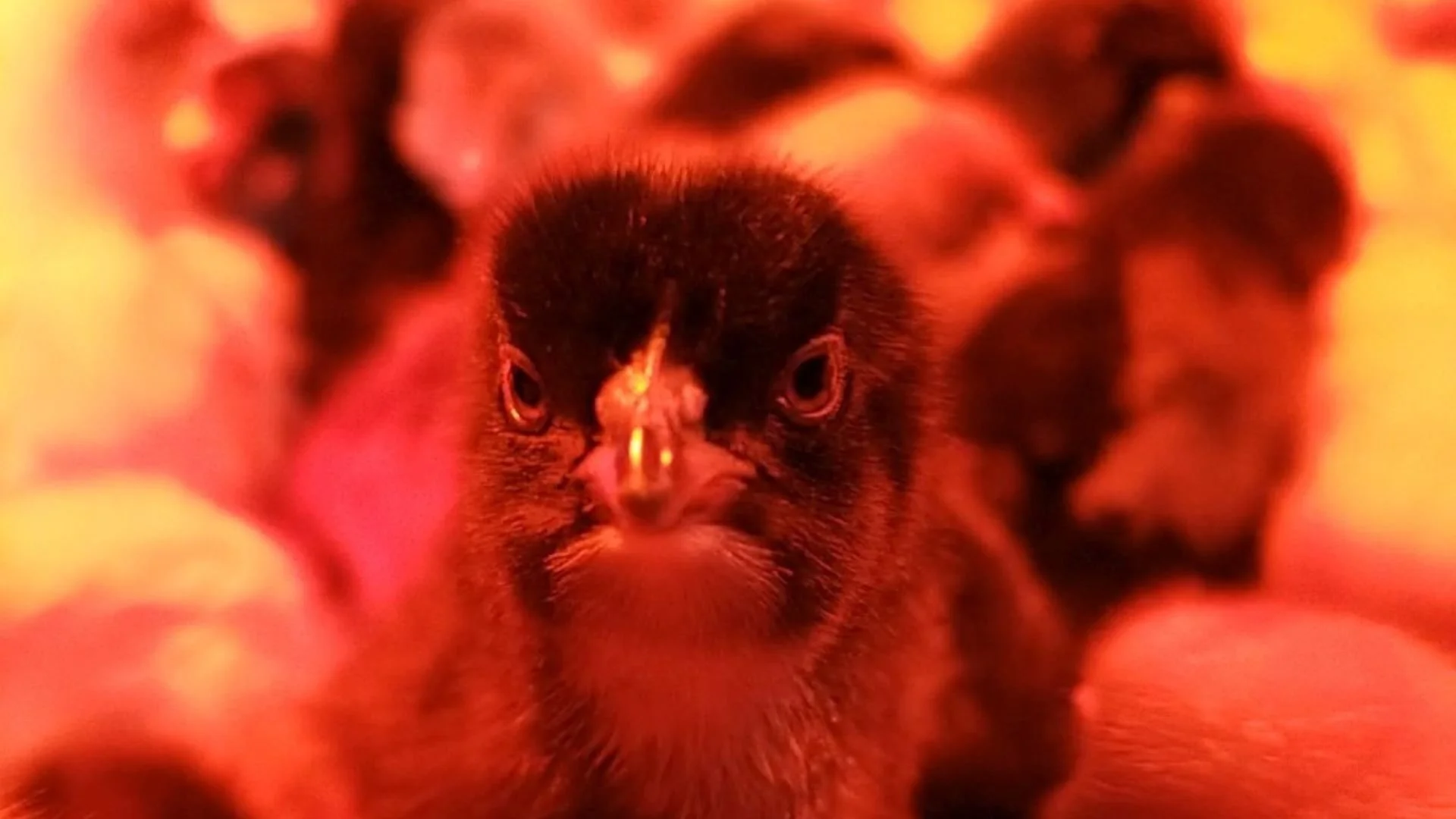
Do you feed young animals? Starter feeds often contain unnecessary animal drugs. This webinar is designed to explain why you should avoid unnecessary medications, what to look for on product labels, and what you can do to make them unnecessary.

Turning Offal into Income: The Value of Higher Welfare and Pasture-Raised Ingredients for Pet Food and Treats
April 14, 2026
Join the ASPCA, Evermore Pet Food, and Campfire Treats to discuss how offal and other underutilized animal parts can become high-value ingredients in pet food and treats, creating new revenue streams for farmers.
Purple Martins: Conservation, Community, and 40 Pounds of Insects a Year
January 27, 2026
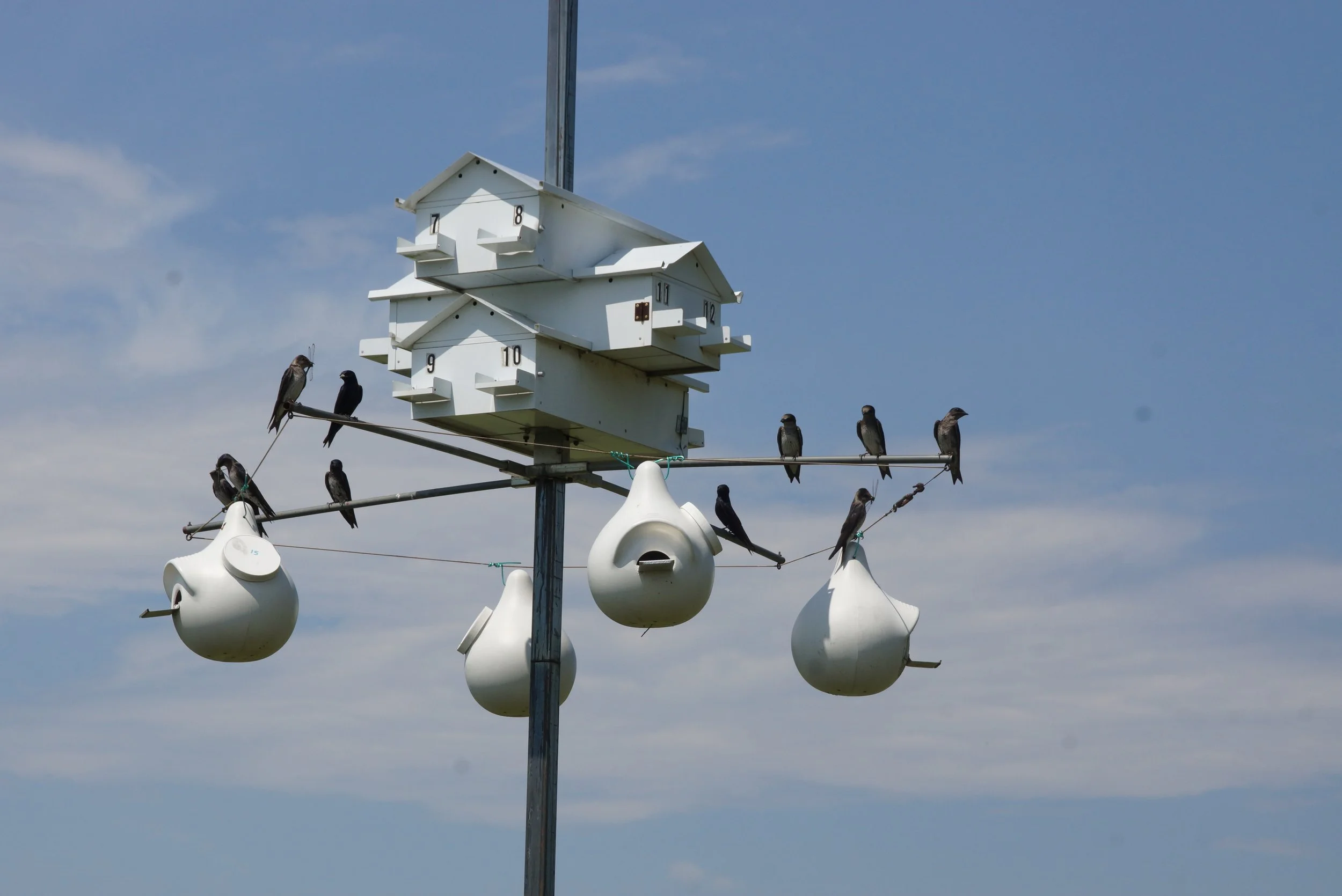
This presentation will explore the biology and history of the Purple Martin, their remarkable aerial insect-eating habits, the conservation challenges impacting the species, recommendations on martin housing, and effective techniques for colony attraction and management.
Presenter: Courtney Rousseau, President, NC Purple Martin Society and a Purple Martin Conservation Association affiliate

Poultry with Purpose: The Humane Benefits of Slower Growing Breeds
September 9, 2025
As consumer demand for ethically produced food continues to rise, the poultry industry is at a crossroads. This webinar, explores how transitioning to slower-growing chicken breeds can improve animal welfare, align with consumer values, support more sustainable farming practices, plus they're just plain fun to raise.
Photo credit: WillowBrook Farms

Advanced Brooding: Honing in on your skills
March 20, 2025 @2pmET
Diving deeper into the finer details of brooding to perfect the environment when chicks/poults/ducklings are first placed and how to transition them to prepare them for the pasture. For those who mostly know what they are doing when it comes to brooding. Discussing brooder design, ventilation, drafts, bedding, feed, brooding with brooder guard or whole house brooding, supplemental feeders and waters and feeder and waterer types. Basic health issues and behaviors to watch out for such as delivery stress, grouping/piling, panting, early starve-outs (3-5 days of age), late starve outs (10+ days of age) and how to correct or prevent it with management or supplements. Stressing the importance of sitting on the ground to watch how they are behaving to see where you can make tweaks that make a difference in livability and weight gain.